
Central Park Guide
Manhattan's 843-acre urban masterpiece — Bethesda Fountain, Bow Bridge, Strawberry Fields, and an entire world of green in the heart of the city
Powered by ITINE
Get this guide as a tappable itinerary
Day-by-day plan, audio tours, and one-tap Google Maps — completely free.
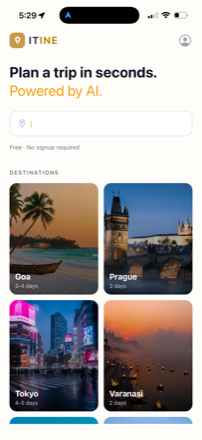
Destinations
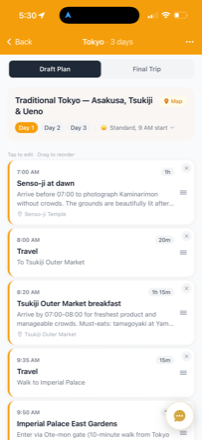
Your Itinerary
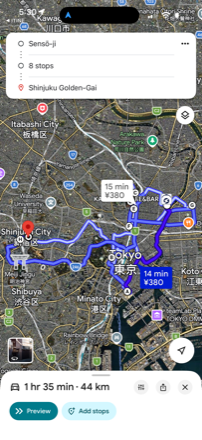
Google Maps
Central Park is the most visited urban park in the United States and one of the most famous public spaces in the world. Stretching 2.5 miles from 59th Street to 110th Street and spanning 843 acres in the heart of Manhattan, it is a masterpiece of landscape architecture designed by Frederick Law Olmsted and Calvert Vaux, who won the design competition in 1858 with their “Greensward Plan.”
The park is a carefully crafted illusion of natural beauty — every hill, lake, meadow, and winding path was designed to provide an escape from the relentless urban grid of Manhattan. Within its boundaries you will find Bethesda Fountain and its Angel of the Waters sculpture, the elegant Bow Bridge spanning the Lake, Strawberry Fields (the John Lennon memorial), Belvedere Castle perched atop Vista Rock, the wild woodland of The Ramble, the Central Park Zoo, the Conservatory Garden, and over 20,000 trees. With 42 million annual visitors, the park serves as Manhattan's backyard, playground, concert hall, running track, and sanctuary — a place where New Yorkers and visitors from around the world come together in one of the most beautiful designed landscapes ever created. Visiting with children? Our NYC for families guide covers the best kid-friendly activities in the park and across the city.
843
Acres
1858
Established
42M
Annual Visitors
Free
Admission
What to See
Bethesda Fountain & Terrace
The crown jewel of Central Park and one of the most photographed spots in New York City. The Angel of the Waters fountain, created by sculptor Emma Stebbins in 1873 (the first major public artwork by a woman in NYC), sits at the heart of an ornate two-level terrace with stunning Minton tile ceilings in the arcade below. The Bethesda Terrace overlooks the Lake and is surrounded by American elms forming a cathedral-like canopy — it is the most romantic and architecturally magnificent space in the entire park. The fountain appears in countless films and TV shows from Angels in America to Elf. Street performers, wedding photographers, and artists gather here year-round. The terrace is at the center of the park at 72nd Street, accessible from both east and west sides, and is the perfect starting point for a Central Park walk. Early morning visits (before 9 AM) offer the terrace in rare solitude.
Bow Bridge
Often called the most romantic spot in New York City, Bow Bridge is a stunning cast-iron bridge spanning 60 feet across the Lake, connecting Cherry Hill to The Ramble. Designed by Calvert Vaux and Jacob Wrey Mould in 1862, it is the second-oldest cast-iron bridge in America and a masterpiece of Victorian-era design with its graceful arc and ornate balustrade. The bridge offers postcard-perfect views of the San Remo apartment towers on Central Park West, the Bethesda Fountain and Terrace to the south, and the wild tangle of The Ramble forest to the north. In autumn, the surrounding trees explode in reds, oranges, and golds, creating one of the most photographed scenes in New York. In spring, the cherry blossoms at Cherry Hill frame the bridge beautifully. Bow Bridge is especially magical at sunset when the golden light reflects off the Lake's surface. It is a 5-minute walk northwest from Bethesda Fountain.
Strawberry Fields
This 2.5-acre quiet zone and memorial garden near the West 72nd Street entrance is dedicated to John Lennon, who lived at the Dakota apartment building directly across Central Park West and was tragically killed outside its entrance on December 8, 1980. The centerpiece is the iconic "Imagine" mosaic, a circular black-and-white tile design (a gift from the city of Naples, Italy) permanently decorated with flowers, candles, and offerings from fans around the world. Yoko Ono, who still lives at the Dakota, funded the memorial's creation and personally designed the landscaping with plants donated by 161 countries. Strawberry Fields was named after Lennon's song "Strawberry Fields Forever" and officially dedicated on October 9, 1985 — what would have been his 45th birthday. The area is designated an International Garden of Peace. Visitors gather here on December 8th each year for a vigil, and on October 9th to celebrate his birthday. It is one of the most visited spots in Central Park.
Belvedere Castle & The Ramble
Belvedere Castle, a Victorian-era folly perched atop Vista Rock — the second highest natural elevation in Central Park — offers the most spectacular panoramic views in the park. Designed by Calvert Vaux and Jacob Wrey Mould in 1869, the miniature castle (belvedere means "beautiful view" in Italian) overlooks the Turtle Pond, the Great Lawn, and the Delacorte Theater (home of the beloved Shakespeare in the Park summer series). After a $12 million renovation completed in 2019, the castle now houses the Henry Luce Nature Observatory with exhibits on the park's wildlife and ecosystems. Directly south of the castle, The Ramble is a 36-acre wild woodland area with winding paths, streams, and rocky outcrops that feels like a forest in the heart of Manhattan. It is one of the best birdwatching spots in North America — over 230 bird species have been recorded here. The Ramble's intentionally maze-like trails make it a delightful place to get pleasantly lost.
Practical Information
Park Hours & Access
Central Park is open daily from 6:00 AM to 1:00 AM. The park is free to enter at all times — there are no tickets or gates. Major entrance points include Fifth Avenue entrances at 59th, 72nd, 79th, 85th, and 96th Streets on the east side, and Central Park West entrances at 59th, 72nd, 81st, and 96th Streets on the west side. The south end of the park at 59th Street (Central Park South) is the most popular entry point, near the Pond, Wollman Rink, and the Central Park Zoo. Restrooms are located throughout the park at the Loeb Boathouse, Belvedere Castle, the Chess & Checkers House, the North Meadow Recreation Center, and other locations. Cell phone service can be spotty in wooded areas like The Ramble. Free Wi-Fi is available at the Bethesda Fountain area and several other locations. The park is well-lit on main paths but avoid remote areas after dark.
Getting Around
Central Park is 2.5 miles long (59th to 110th Street) and 0.5 miles wide (Fifth Avenue to Central Park West), covering 843 acres. Walking the full length takes about 45-60 minutes. The main north-south paths are the East Drive and West Drive (closed to traffic and popular with joggers and cyclists). Cross-park transverse roads at 66th, 79th, 86th, and 97th Streets allow vehicle traffic to cross beneath the park level. The park has an extensive network of footpaths — the most popular walking route runs from the Southeast corner (59th & 5th) through the Zoo, up The Mall's elm-lined promenade, to Bethesda Fountain, Bow Bridge, and north to Belvedere Castle. Bike rentals are available from Citi Bike stations around the park perimeter ($4.49/single ride) or from private rental shops on Columbus Circle and 72nd Street ($15-25/hour). Pedicab rides are available at the southern entrances ($3-5/minute, negotiate the price first). Horse carriage rides depart from 59th Street ($65-115 for 20-45 minutes, official NYC rates).
Seasonal Highlights
Spring (March-May): Cherry blossoms at Cherry Hill and the Conservatory Garden peak in mid-April. The Shakespeare Garden blooms with flowers mentioned in Shakespeare's plays. Summer (June-August): Shakespeare in the Park at the Delacorte Theater offers free performances of Shakespeare plays starring Broadway and Hollywood actors — free tickets are distributed starting at noon on performance days (get in line by 10 AM). SummerStage in Rumsey Playfield hosts free concerts, dance, and spoken word. The Great Lawn hosts NYC Philharmonic concerts and Metropolitan Opera performances. Autumn (September-November): Fall foliage peaks in late October to early November — the most spectacular displays are along The Mall, around the Lake, and in The Ramble. The NYC Marathon (early November) runs through the park. Winter (December-February): Ice skating at Wollman Rink ($15-20 admission, $10 skate rental) and Lasker Rink (less crowded, $8-10). Holiday Lighting at the Tavern on the Green. Cross-country skiing and snowshoeing on the Great Lawn after heavy snowfall.
Worth It or Skip It?
Our honest take so you spend time on what actually matters.
Bethesda Fountain
Worth ItThe heart of Central Park — gorgeous architecture, street performers, and the best people-watching spot in the entire park.
Central Park Zoo
MaybeSmall and pricey for what you get. Great if you have young kids, but adults may feel underwhelmed.
Instead: Walk through the free areas of the Ramble instead for wildlife spotting.
Strawberry Fields
Worth ItQuick stop with real emotional weight. The Imagine mosaic is iconic and there are almost always musicians paying tribute.
Horse Carriage Rides
Skip ItOverpriced and controversial. You will see more of the park on foot in the same amount of time.
Instead: Rent a bike from Citi Bike for a fraction of the cost and cover more ground.
Belvedere Castle
Worth ItFree entry, stunning views of the Great Lawn and the Ramble. One of the best photo spots in the park.
Pro Tips
Start from the West Side
Enter from the 72nd Street entrance on Central Park West for the most efficient route through the park's greatest hits. From here, you're immediately at Strawberry Fields, then a 5-minute walk to Bethesda Fountain, across Bow Bridge, through The Ramble to Belvedere Castle, and you can exit at the American Museum of Natural History on the west side or the Met Museum on the east side. This route covers the four most iconic spots in under 2 hours and avoids the crowded southern entrances at Columbus Circle and 59th Street.
Visit the Conservatory Garden
Central Park's only formal garden, located at 105th Street and Fifth Avenue, is one of the park's best-kept secrets. Three distinct garden styles — Italian (central fountain and crabapple allée), French (seasonal flower displays), and English (the beloved Burnett Fountain from The Secret Garden) — create a tranquil escape that most tourists never discover. The garden is especially stunning in May when the wisteria and tulips are in bloom, and in early October for fall chrysanthemums. It is free, uncrowded, and absolutely beautiful for photography.
Rent a Rowboat
The Loeb Boathouse rents rowboats on the Lake for $20/hour (cash only, $20 deposit), and it is one of the most romantic and quintessentially New York experiences you can have. Rowing beneath Bow Bridge with the Manhattan skyline rising above the treeline is magical. Boats are available April through November, first-come first-served. Go on a weekday morning to avoid waits. The Boathouse also has a waterside restaurant for lunch or a drink, though prices are steep ($25-45 entrees). For a more affordable waterside bite, grab food from a nearby deli and picnic at Cherry Hill overlooking the Lake.
Explore Beyond the Highlights
Most visitors stick to the area between 59th and 79th Streets, missing extraordinary spots in the northern half of the park. The Harlem Meer (110th Street) is a beautiful 11-acre lake with free catch-and-release fishing. The Blockhouse, at the park's northern tip, is the oldest structure in Central Park (built 1814) and saw action in the War of 1812. The North Woods feel like a genuine forest, with a stunning waterfall (the Loch) cascading through a rocky gorge. The Conservatory Garden at 105th Street is the park's most refined space. These northern areas are peaceful, uncrowded, and reward the curious explorer.
Related Guides
Frequently Asked Questions
Get Your Free Travel Guide
PDF download + weekly travel tips
Join our community and get a comprehensive travel guide with maps, budgets, and insider tips delivered to your inbox.
Unsubscribe anytime. No spam, we promise.