
Brooklyn Guide
DUMBO's iconic views, Williamsburg's creative energy, Park Slope's brownstone beauty — the ultimate guide to NYC's most dynamic borough
Powered by ITINE
Get this guide as a tappable itinerary
Day-by-day plan, audio tours, and one-tap Google Maps — completely free.
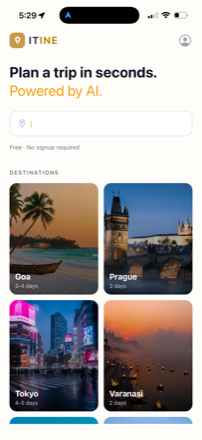
Destinations
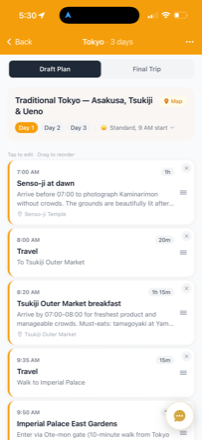
Your Itinerary
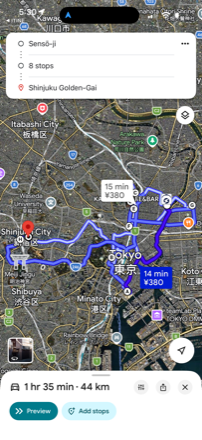
Google Maps
Brooklyn is not just a borough — it is a cultural force. With 2.7 million residents, 70+ distinct neighborhoods, and a creative energy that has influenced fashion, food, music, and art around the world, Brooklyn would be the fourth-largest city in America if it were independent. The cobblestoned waterfront of DUMBO, the artisan markets of Williamsburg, the brownstone elegance of Park Slope, the street art explosions of Bushwick — each neighborhood operates as its own small city with its own character, cuisine, and community. Brooklyn is where the New York dollar pizza was perfected, where the craft cocktail movement found its spiritual home, and where the waterfront parks offer Manhattan skyline views that no amount of money can buy in Manhattan itself. This guide covers the essential neighborhoods, attractions, food, and practical tips for exploring NYC's most exciting borough.
2.7M
Population
70+
Neighborhoods
$2.90
Subway Ride
85 acres
Bridge Park
6 Best Brooklyn Neighborhoods
From waterfront DUMBO to street-art Bushwick — the neighborhoods that define Brooklyn.
DUMBO
DUMBO (Down Under the Manhattan Bridge Overpass) is Brooklyn's most iconic photo destination — the view of the Manhattan Bridge framed by Washington Street's cobblestoned buildings has become one of the most recognizable images of New York City. The neighborhood occupies a compact stretch of converted industrial warehouses along the waterfront, now home to tech startups, art galleries, and some of Brooklyn's best dining. Time Out Market New York is a curated food hall with 21 eateries and a rooftop bar overlooking the East River. Jane's Carousel, a beautifully restored 1922 merry-go-round housed in a Jean Nouvel-designed glass pavilion, spins on the waterfront. Brooklyn Bridge Park stretches along the water with playgrounds, sports courts, and some of the most dramatic Manhattan skyline views available anywhere.
Williamsburg
Williamsburg transformed from a working-class industrial neighborhood into the epicenter of New York's creative culture, and despite significant gentrification, it remains one of the most exciting places to eat, drink, shop, and explore in the city. Bedford Avenue is the main commercial strip — vintage shops, independent bookstores, coffee roasters, and boutiques line both sides. Smorgasburg (April-October weekends) is the largest open-air food market in America, with 75+ vendors serving everything from ramen burgers to artisan doughnuts. The waterfront parks offer Manhattan skyline views. Domino Park, built on the site of the old Domino Sugar refinery, is a masterpiece of urban park design. Street art murals cover entire building facades throughout the neighborhood, making every walk an outdoor gallery experience.
Park Slope
Park Slope is Brooklyn's most architecturally distinguished residential neighborhood — rows of impeccably maintained Victorian and Italianate brownstones along tree-lined streets that slope gently toward Prospect Park. The neighborhood has a family-oriented, community-minded character with independent bookshops, farm-to-table restaurants, and weekend farmers' markets. Fifth Avenue and Seventh Avenue serve as the commercial spines, offering a mix of restaurants, bars, and shops that reflect the neighborhood's educated, progressive character. The Grand Army Plaza arch at the northern entrance to Prospect Park is Brooklyn's answer to Paris's Arc de Triomphe. Park Slope is the neighborhood where Brooklyn's brownstone dream feels most alive — a place where urban life coexists with genuine community, green space, and architectural beauty.
Brooklyn Heights
Brooklyn Heights is New York's first designated historic district — a neighborhood of elegant row houses and tree-lined streets perched on a bluff above the East River. The Brooklyn Heights Promenade is the main attraction: a third-of-a-mile walkway cantilevered over the Brooklyn-Queens Expressway that offers an unobstructed, panoramic view of Lower Manhattan, the Brooklyn Bridge, and the Statue of Liberty that is widely considered the best skyline view in all of New York City. The neighborhood's residential streets — Pierrepont, Montague, Cranberry, Pineapple (yes, streets are named after fruit) — are lined with Federal, Greek Revival, and Romanesque Revival architecture dating from the 1820s onward. Montague Street is the commercial hub with restaurants and shops. Brooklyn Heights is quieter and more refined than Williamsburg or DUMBO, offering a contemplative Brooklyn experience.
Cobble Hill & Carroll Gardens
Cobble Hill and Carroll Gardens are adjacent neighborhoods that share a character — brownstone-lined streets with a strong Italian-American heritage gradually blending with Brooklyn's newer creative energy. Smith Street, known as "Restaurant Row," is one of Brooklyn's best dining corridors with options ranging from upscale Italian to innovative farm-to-table. Court Street has old-school Italian bakeries, delis, and red-sauce restaurants alongside newer coffee shops and boutiques. Carroll Gardens is distinguished by its unusually deep front yards (a unique feature in NYC) and its tree-lined blocks that feel almost suburban in their tranquility. These neighborhoods offer an authentic, non-touristy Brooklyn experience — the kind of place where you stumble into a perfect meal at a restaurant you've never heard of.
Bushwick
Bushwick is Brooklyn's most visually explosive neighborhood — a former industrial district where building-sized murals, graffiti, and street art cover virtually every available surface. The Bushwick Collective, centered around the intersection of Jefferson and Troutman Streets, is an outdoor street art gallery where internationally renowned artists have transformed warehouse walls into jaw-dropping works of public art. The neighborhood's nightlife is raw and energetic — converted warehouse bars, DIY music venues, and late-night taco joints. Roberta's pizza, arguably Brooklyn's most famous pizzeria, draws lines from across the city. Bushwick is still evolving and gentrifying, with a mix of established Latino community, young artists, and newcomers creating a dynamic, sometimes tense, but always interesting cultural landscape.
Top Brooklyn Attractions
The parks, museums, and green spaces that make Brooklyn essential.
Brooklyn Bridge Park
Must-SeeBrooklyn Bridge Park is an 85-acre waterfront park stretching 1.3 miles along the East River, built on converted piers and offering some of the most spectacular views of the Manhattan skyline, Brooklyn Bridge, and Statue of Liberty. The park includes Pier 1 (lawns, playgrounds, and views), Pier 2 (roller skating, basketball, bocce), Pier 4 (a sandy beach), Pier 5 (sports fields), Pier 6 (a waterfront farm), and the iconic Pebble Beach where the Manhattan skyline reflects in the East River at sunset. Summer brings free outdoor movie screenings at "Movies With a View" and Shakespeare performances. The park is one of the great urban green spaces in America — a place where Brooklyn's community gathers against the backdrop of one of the world's most dramatic skylines.
Brooklyn Museum
World-ClassThe Brooklyn Museum is one of the largest and most important art museums in the United States — a 560,000-square-foot Beaux-Arts building housing a collection of 1.5 million works spanning Egyptian antiquities, American art, European painting, contemporary installations, and one of the finest collections of African art in the world. The museum's Egyptian galleries rival the Met's in quality. The American art wing includes iconic works by Georgia O'Keeffe, John Singer Sargent, and Norman Rockwell. The feminist art center, anchored by Judy Chicago's landmark installation "The Dinner Party," is a major draw. First Saturday events (6-11 PM on the first Saturday of each month) offer free admission with live music, dancing, films, and performances — one of the best free cultural events in NYC.
Prospect Park
EssentialProspect Park is Frederick Law Olmsted and Calvert Vaux's masterpiece — a 526-acre green space that the designers themselves considered superior to their earlier work, Central Park. The Long Meadow, a 90-acre unbroken expanse of green, is the largest meadow in any NYC park and the heart of Brooklyn's outdoor life. Prospect Park Zoo is a compact, family-friendly zoo. The Prospect Park Bandshell hosts the celebrated Celebrate Brooklyn performing arts festival each summer. LeFrak Center offers ice skating in winter and roller skating in summer. The Ravine — a 250-acre woodland with streams, waterfalls, and winding paths — feels like genuine wilderness in the middle of a city of 8 million people. Prospect Park is Brooklyn's soul, the place where the borough's extraordinary diversity comes together in shared green space.
Brooklyn Botanic Garden
BeautifulThe Brooklyn Botanic Garden is a 52-acre garden adjacent to Prospect Park that is one of the finest urban botanical gardens in America. The Japanese Hill-and-Pond Garden, designed in 1915, is a masterpiece of Japanese landscape design and the first Japanese garden created in an American public garden. The cherry blossom season (late March to early May) draws tens of thousands of visitors and the annual Sakura Matsuri festival is one of the largest cherry blossom celebrations outside Japan. The Cranford Rose Garden contains over 1,000 varieties of roses. The Native Flora Garden showcases plants of the northeastern United States. The Steinhardt Conservatory houses tropical, desert, and warm temperate environments. Free admission on weekday winter mornings and all day on Tuesdays makes this one of Brooklyn's best free-on-certain-days attractions.
Brooklyn Food & Drink
From dollar slices to Michelin stars — Brooklyn's food scene rivals any city on Earth.
Pizza
Brooklyn is arguably the pizza capital of America. Di Fara Pizza in Midwood (cash only, expect a line), Lucali in Carroll Gardens (BYOB, no slices), L&B Spumoni Gardens in Bensonhurst (Sicilian squares), and Roberta's in Bushwick (wood-fired artisan) represent the range. A slice costs $3-5; a full pie $20-30.
Smorgasburg
The largest open-air food market in America runs April-October on weekends in Williamsburg (Saturdays) and Prospect Park (Sundays). 75+ vendors serve everything from lobster rolls to Japanese milk bread to artisan ice cream. Budget $15-25 per person for a satisfying lunch of samples. Arrive by 11 AM to beat the longest lines.
Craft Beer & Cocktails
Brooklyn Brewery in Williamsburg is the flagship, offering tours and tastings on weekends. Other Half Brewing in Carroll Gardens is a cult favorite for hazy IPAs. Maison Premiere in Williamsburg serves absinthe and oysters in a stunning Belle Epoque setting. The Brooklyn bar scene is vast and constantly evolving.
International Cuisine
Brooklyn's diversity makes it one of the best international food destinations in America. Atlantic Avenue for Middle Eastern cuisine, Sunset Park for Chinese and Mexican, Brighton Beach for Russian and Ukrainian, Crown Heights for Caribbean, and Bay Ridge for Arab-American food. The deeper into Brooklyn you go, the more authentic and affordable it gets.
Getting to Brooklyn
By Subway: The fastest and cheapest option ($2.90). A/C trains from Midtown reach DUMBO and Brooklyn Heights in 15-20 minutes. The L train from Union Square reaches Williamsburg in 10 minutes. The F train reaches Park Slope in 20 minutes from Midtown. The 2/3 trains from Midtown reach Downtown Brooklyn in 15 minutes.
By Brooklyn Bridge: Walking across the Brooklyn Bridge from City Hall in Manhattan to DUMBO takes 30-45 minutes and is one of the quintessential NYC experiences. Start from the Manhattan side for the best views approaching Brooklyn. Go early morning or at sunset for fewer crowds and better light.
By NYC Ferry: The South Brooklyn route ($4) connects Wall Street/Pier 11 to DUMBO and Williamsburg via a scenic East River ride. The journey takes 5-15 minutes depending on the stop and offers stunning views of the Brooklyn Bridge, Manhattan skyline, and Statue of Liberty.
By Citi Bike: Ride across the Manhattan or Williamsburg Bridge on dedicated bike lanes. A single ride costs $4.49 for 30 minutes. Citi Bike stations are plentiful throughout DUMBO, Williamsburg, Park Slope, and Brooklyn Heights.
Explore More of NYC
Combine your Brooklyn exploration with our guides to NYC's other essential neighborhoods and experiences.
Frequently Asked Questions
Get Your Free Travel Guide
PDF download + weekly travel tips
Join our community and get a comprehensive travel guide with maps, budgets, and insider tips delivered to your inbox.
Unsubscribe anytime. No spam, we promise.