
NYC Neighborhoods Guide
Manhattan's iconic skyline, Brooklyn's creative energy, Queens' global flavors — a neighborhood-by-neighborhood guide to the world's greatest city
Powered by ITINE
Get this guide as a tappable itinerary
Day-by-day plan, audio tours, and one-tap Google Maps — completely free.
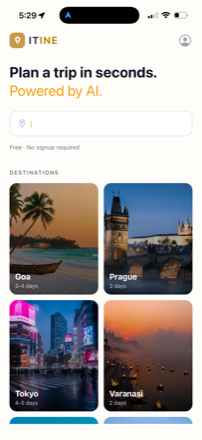
Destinations
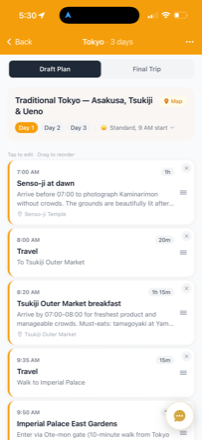
Your Itinerary
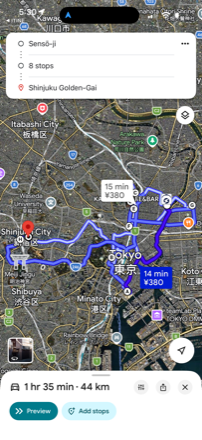
Google Maps
New York City is not one city but a constellation of neighborhoods, each with its own personality, culture, and rhythm. The steel-and-glass canyons of Midtown Manhattan bear no resemblance to the cobblestoned waterfront of DUMBO. The brownstone elegance of Park Slope operates in a different universe from the neon frenzy of Times Square. The Greek tavernas of Astoria and the soul food institutions of Harlem are separated by a single subway ride but span entire worlds of culinary tradition. Understanding NYC's neighborhoods is the key to understanding the city itself — each one offers a distinct experience, a different slice of the extraordinary diversity that makes New York unlike any other place on Earth. This guide covers the essential neighborhoods across Manhattan, Brooklyn, and Queens, with practical advice on what each is known for, who it's best for, and how to get around.
5
Boroughs
300+
Neighborhoods
8.3M
Population
$2.90
Subway Ride
Manhattan Neighborhoods
The island at the center of it all — from the skyscrapers of Midtown to the cultural treasures of the Upper East and West Sides.
The iconic NYC experience — skyscrapers, Broadway, Times Square, and relentless energy
Midtown is the New York City of movies and postcards — the Empire State Building piercing the skyline, the neon overload of Times Square, the Art Deco perfection of Rockefeller Center, and the green refuge of Central Park along its northern edge. This is the commercial heart of the world's most ambitious city, where 750,000 workers commute daily into glass towers and where Broadway's 41 theaters light up each evening. Midtown is dense, loud, and overwhelming in the best possible way. Fifth Avenue shopping, the Museum of Modern Art, Grand Central Terminal's Beaux-Arts grandeur, and Radio City Music Hall are all here. For first-time visitors, Midtown is unmissable — it delivers the NYC experience that no other neighborhood can replicate.
Historic roots meet modern ambition — where New York began and where it rebuilds
Downtown Manhattan encompasses the Financial District, the 9/11 Memorial, Wall Street, and the southern tip of the island where New York City was born as New Amsterdam in 1626. The One World Trade Center now dominates the skyline, its observation deck offering vertiginous views from 1,776 feet. The 9/11 Memorial & Museum is one of the most powerful and moving sites in America. Battery Park provides the ferry departure point for the Statue of Liberty and Ellis Island. Wall Street's narrow canyon of buildings — the New York Stock Exchange, Federal Hall where Washington was inaugurated, Trinity Church where Alexander Hamilton is buried — packs more American history per square foot than almost anywhere. The Oculus transportation hub, with its Calatrava-designed white wings, is the neighborhood's newest architectural landmark.
Museum Mile elegance — refined, cultured, and quietly wealthy
The Upper East Side is New York's most refined residential neighborhood — tree-lined streets of pre-war limestone townhouses, doorman buildings with awnings stretching to the curb, and Museum Mile along Fifth Avenue where the Metropolitan Museum of Art, the Guggenheim, and the Frick Collection sit within walking distance of each other. Madison Avenue between 60th and 80th Streets is one of the world's premier luxury shopping corridors. Central Park forms the western boundary, and Carl Schurz Park along the East River provides quieter green space. The neighborhood has a reputation for old-money formality, but the cultural offerings — particularly the Met, which could consume an entire day — make it essential for any visitor. Grab coffee at a neighborhood patisserie and stroll the residential blocks for a taste of Manhattan at its most polished.
Intellectual and family-friendly — the neighborhood that feels like a real community
The Upper West Side is Manhattan's most livable neighborhood — a place where families push strollers through Riverside Park, professors from Columbia University browse the shelves at Book Culture, and weekend mornings revolve around brunch at neighborhood institutions like Barney Greengrass (the "Sturgeon King" since 1908). The American Museum of Natural History — with its dinosaur halls and Rose Center planetarium — is one of the city's greatest museums. Lincoln Center is the performing arts capital of America, home to the Metropolitan Opera, New York Philharmonic, and New York City Ballet. The neighborhood has a warmth and intellectual character that distinguishes it from the Upper East Side's formality. Zabar's deli on Broadway is a New York institution, and the brownstone-lined streets between Central Park West and Riverside Drive are among the most beautiful in the city.
Brooklyn Neighborhoods
Brooklyn is a city within a city — 2.7 million people, 70+ neighborhoods, and a creative energy that has made it one of the most influential cultural forces in the world.
Postcard-perfect with the Manhattan Bridge — cobblestones, views, and artisan everything
DUMBO (Down Under the Manhattan Bridge Overpass) is Brooklyn's most photogenic neighborhood — the view of the Manhattan Bridge framed between cobblestoned Washington Street buildings is one of the most photographed scenes in New York City. The neighborhood occupies a compact stretch of converted warehouses along the East River waterfront, now filled with tech companies, galleries, and artisan shops. Brooklyn Bridge Park stretches along the waterfront with Jane's Carousel, Pebble Beach with Manhattan skyline views, and summer outdoor movie screenings. Time Out Market New York offers a curated food hall experience. The area is walkable and compact, making it perfect for a half-day exploration combined with a walk across the Brooklyn Bridge.
Brooklyn's creative capital — indie everything, street art, and the best weekend food scene
Williamsburg is Brooklyn's most dynamic neighborhood — a former industrial district that became the epicenter of New York's hipster culture in the 2000s and has since matured into one of the city's most exciting places to eat, drink, shop, and explore. Bedford Avenue is the main artery, lined with independent boutiques, vintage shops, record stores, and coffee roasters. The weekend Smorgasburg food market (April-October) draws thousands for its dozens of innovative food vendors. The Williamsburg waterfront offers Manhattan skyline views from parks and piers. Street art covers entire building facades. The nightlife ranges from craft cocktail bars to live music venues to the legendary Brooklyn Bowl (bowling, live bands, fried chicken). The neighborhood has gentrified significantly, but its creative energy remains genuine and the food and drink scene is among the city's best.
Brooklyn's brownstone heartland — families, Prospect Park, and tree-lined charm
Park Slope is Brooklyn's most classically beautiful residential neighborhood — block after block of Victorian and Italianate brownstones along tree-lined streets that slope gently down from Prospect Park. The neighborhood has a family-friendly, community-oriented character with excellent independent bookshops, farm-to-table restaurants, and the kind of neighborhood bars where everyone knows each other. Prospect Park — Frederick Law Olmsted's masterpiece, which he considered superior to Central Park — forms the eastern boundary, with its Long Meadow, Prospect Park Zoo, Brooklyn Botanic Garden, and winter ice-skating rink. Fifth Avenue and Seventh Avenue are the main commercial strips, offering everything from vintage clothing to artisan cheese shops. Park Slope represents the Brooklyn dream — urban life with space, character, and community.
Queens Neighborhoods
The most ethnically diverse urban area on the planet — where 800 languages are spoken and every cuisine on Earth is available.
The most diverse food neighborhood in the world — Greek, Egyptian, Colombian, and everything between
Astoria is New York City's great melting pot — a neighborhood where Greek tavernas, Egyptian bakeries, Colombian empanada shops, Uzbek restaurants, and Korean barbecue joints sit side by side along bustling commercial avenues. Originally a Greek-American stronghold (and still home to the best Greek food outside Athens), Astoria has become arguably the most ethnically diverse food neighborhood on Earth. The Noguchi Museum houses the serene sculpture collection of Isamu Noguchi in a converted factory. The Museum of the Moving Image explores film, television, and digital media with interactive exhibits. Socrates Sculpture Park offers free outdoor art along the East River with Manhattan skyline views. Astoria is accessible via the N/W subway lines and offers dramatically better food value than Manhattan — a full meal at many restaurants costs $10-15.
The waterfront arts district with the best Manhattan skyline views in all of NYC
Long Island City has transformed from an industrial district into one of New York's most exciting cultural and residential neighborhoods. MoMA PS1 — the contemporary art outpost of the Museum of Modern Art — hosts cutting-edge exhibitions and the legendary Warm Up summer music series. The Gantry Plaza State Park waterfront offers what many consider the single best view of the Manhattan skyline — the full sweep from the Empire State Building to One World Trade Center reflected in the East River, particularly stunning at sunset. The neighborhood's converted warehouses house galleries, restaurants, and the growing arts community that has made LIC a creative hub. The 7 train provides easy Manhattan access, making LIC both a destination and a convenient base for budget-conscious travelers seeking Manhattan-adjacent accommodation at lower prices.
Getting Around NYC
Practical tips for navigating between neighborhoods like a local.
The Subway Is Your Best Friend
The NYC subway runs 24/7, covers all five boroughs, and costs $2.90 per ride regardless of distance. Buy an OMNY-compatible card or tap your contactless credit card. An unlimited 7-day MetroCard costs $34 and pays for itself after 12 rides. The subway is the fastest way to move between neighborhoods — a ride from Midtown to DUMBO takes 20 minutes. Google Maps and the official MTA app provide real-time train arrival information.
Walk Between Nearby Neighborhoods
Manhattan's grid system makes walking intuitive — 20 north-south blocks equal one mile, and the avenues run roughly north-south while numbered streets run east-west. Walking from the West Village to SoHo takes 15 minutes. Chelsea to Midtown is a 20-minute walk up Tenth Avenue. Brooklyn's DUMBO to Brooklyn Heights is a 10-minute stroll. Some of the best NYC experiences happen between destinations — the street life, the architecture, the unexpected discoveries.
NYC Ferry for Scenic Transit
The NYC Ferry system ($4 per ride) connects Manhattan, Brooklyn, Queens, and the Bronx along scenic East River routes. The South Brooklyn route from Wall Street to DUMBO and Williamsburg is essentially a sightseeing cruise past the Brooklyn Bridge and Manhattan skyline at a fraction of the cost of tourist boat tours. The Astoria route connects LIC and Astoria with Midtown East. Ferries run frequently during commute hours and less often on weekends.
Citi Bike for Short Trips
Citi Bike is NYC's bike-share system with 25,000+ bikes at 1,500+ stations across Manhattan, Brooklyn, Queens, and the Bronx. A single ride ($4.49 for 30 minutes) or day pass ($19 for unlimited 30-minute rides) is ideal for exploring neighborhoods at street level. The Hudson River Greenway runs car-free from Battery Park to the George Washington Bridge. The Brooklyn waterfront has excellent bike infrastructure. Helmets are not required by law for adults but are strongly recommended.
Avoid Taxis During Rush Hour
Midtown Manhattan between 4-7 PM is the worst place in the city to be in a car. Taxis and rideshares will cost double (surge pricing) and take three times as long. Take the subway instead. If you must use a car, Uber and Lyft are generally cheaper than yellow cabs for longer trips, but yellow cabs are often faster for short Manhattan rides because they can use bus lanes.
Know Your Bridges
Walking the Brooklyn Bridge from Manhattan to DUMBO is a must-do experience (allow 30-45 minutes). The Williamsburg Bridge connects the Lower East Side to Williamsburg and is less crowded. The Manhattan Bridge offers the classic DUMBO photo angle of the Brooklyn Bridge. The High Line, while not a bridge, is an elevated park built on a former railway line from the Meatpacking District to Hudson Yards — one of the city's best free attractions.
Explore NYC Neighborhoods
Dive deeper into NYC's most fascinating neighborhoods with our detailed area guides.
Frequently Asked Questions
Get Your Free Travel Guide
PDF download + weekly travel tips
Join our community and get a comprehensive travel guide with maps, budgets, and insider tips delivered to your inbox.
Unsubscribe anytime. No spam, we promise.